

What People Ate on the Titanic the Night It Sank
AuthorNicole Villeneuve
May 7, 2026
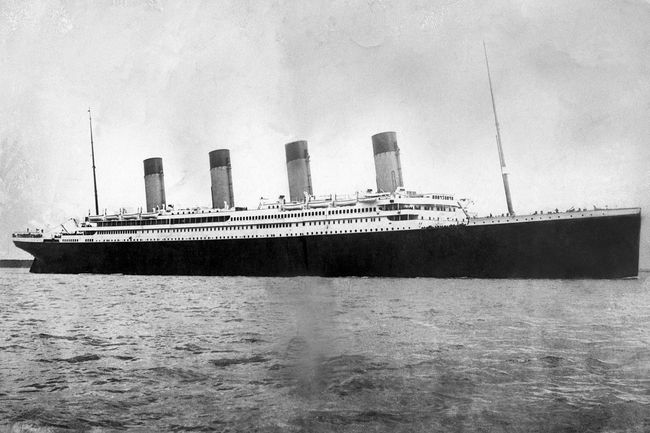
On the night of Sunday, April 14, 1912, the RMS Titanic was sailing through the North Atlantic on its maiden voyage from Southampton, England, to New York City. Most passengers and crew had no idea that within hours, the ship would strike an iceberg and descend into one of the most famous maritime disasters in history.
Advertisement
At the time of its launch, the Titanic epitomized the height of ocean liner engineering and luxury; it was well equipped to feed its more than 2,200 passengers and crew for the approximately weeklong transatlantic crossing. The food served varied depending on class, from French-influenced fine dining to hearty dishes meant to sustain passengers during the voyage. Based on surviving menus and other archival documentation, here’s what we know about how passengers dined on the night the Titanic sank.
First Class
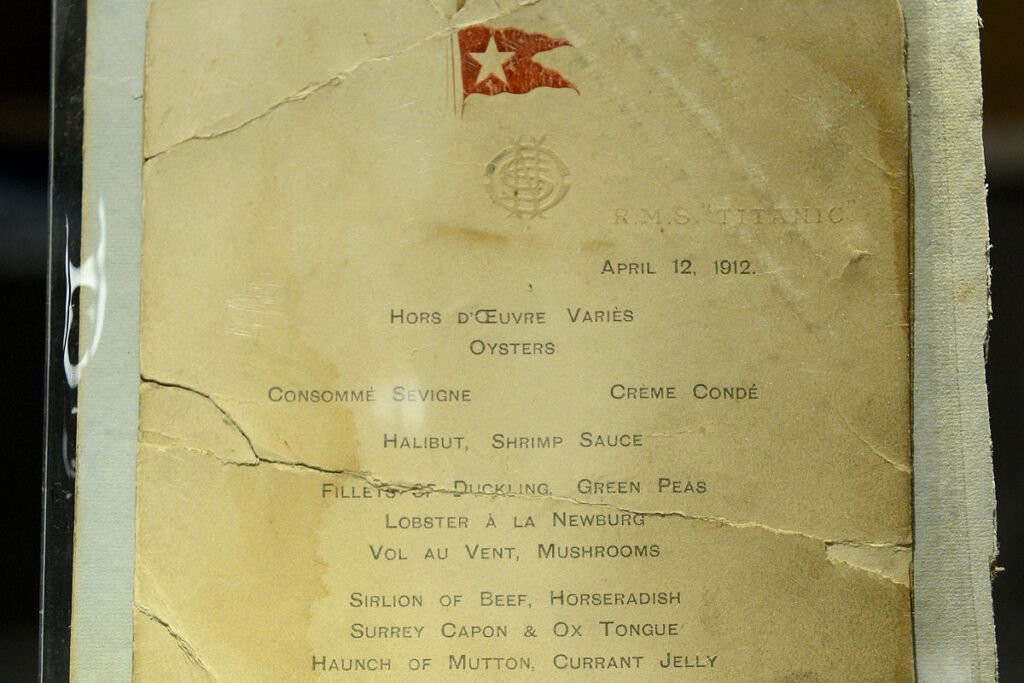
First-class passengers were served an elaborate multicourse dinner that reflected the peak of Edwardian fine dining. A surviving dinner menu from April 14, 1912, preserved in the Royal Museums Greenwich collection, was further explored by journalist Dana McCauley’s book Last Dinner on the Titanic: Menus and Recipes From the Great Liner, giving us a clear idea of how passengers spent this ill-fated evening.
The first-class dinner began with a selection of light starters and soups, including hors d’oeuvre varies (assorted appetizers), oysters, consommé Olga (a clear beef broth finished with julienned vegetables and a splash of port wine), and cream of barley. The fish course followed, featuring salmon with a buttery mousseline sauce and cucumber.
Next were the more substantial entrées, and they offered a range of choices: filet mignon Lili (beef fillet medallions in a rich sauce), sauté of chicken Lyonnaise (pan-fried chicken and onions in a French-style sauce), vegetable marrow farci (a stuffed squash dish), lamb with mint sauce, roast duckling with apple sauce, and beef sirloin and potatoes served up château style.
There were also a series of side dishes, including green peas, creamed carrots, boiled rice, and parmentier and boiled new potatoes for both crispy and soft potato options.
The meal then transitioned into a series of lighter and cold dishes typical of French haute cuisine. These included punch romaine (a chilled citrus-based drink) and roast squab (pigeon considered a delicacy) with cress, cold asparagus vinaigrette, pâté de foie gras, and celery.
Finally — if there was any room for dessert — the dinner concluded with an extensive sweets selection: Waldorf pudding, peaches in Chartreuse jelly, chocolate and vanilla éclairs, and French ice cream.
Advertisement

Second Class
Compared to the elaborate French dining of first class, second-class passengers were served a more traditional British-style meal. While simpler in selection, the menu, preserved by Royal Museums Greenwich, still consisted of multiple varied and substantial courses.
The meal began with consommé tapioca, a light soup slightly thickened with tapioca pearls. The fish course followed, featuring baked haddock with sharp sauce (a tangy reduction), then a series of main dishes influenced by familiar British fare: curried chicken and rice, spring lamb with mint sauce, and roast turkey with cranberry sauce.
As in first class, the mains were served with vegetables and starches, including green peas, pureed turnips, boiled rice, and both boiled and roast potatoes. The meal then moved into desserts and sweets, with wine jelly and plum pudding, followed by coconut sandwich cookies and American ice cream.
Second-class passengers were also offered a selection of nuts, fresh fruit, cheese, biscuits, and coffee to round out — and close out — the meal.
Advertisement
Advertisement

Third Class
Unlike menus for the dining rooms of the upper classes, third-class menus from the Titanic are a rarity in surviving archival materials. What is known about the final meal in steerage comes primarily from the White Star Line, the company that operated the Titanic. Its provisioning records, as well as later historical reconstructions, serve as the best blueprint for this historic meal.
As noted in Last Dinner on the Titanic, the final scheduled meal for third-class passengers was high tea rather than a formal dinner service. (In keeping with working-class British traditions of the period, the main Sunday meal was generally served at midday rather than in the evening.)
In contrast to afternoon tea, high tea was a more substantial savory meal eaten with cutlery. White Star Line provisioning plans indicate that third-class passengers would likely have had a final meal consisting of ragout of beef with potatoes and pickles, stewed fruit, fresh bread and butter, currant buns, and tea. Though far simpler than the lavish multicourse meals served upstairs, the spread was still considered hearty and respectable for the working-class travelers on the ill-fated ship.